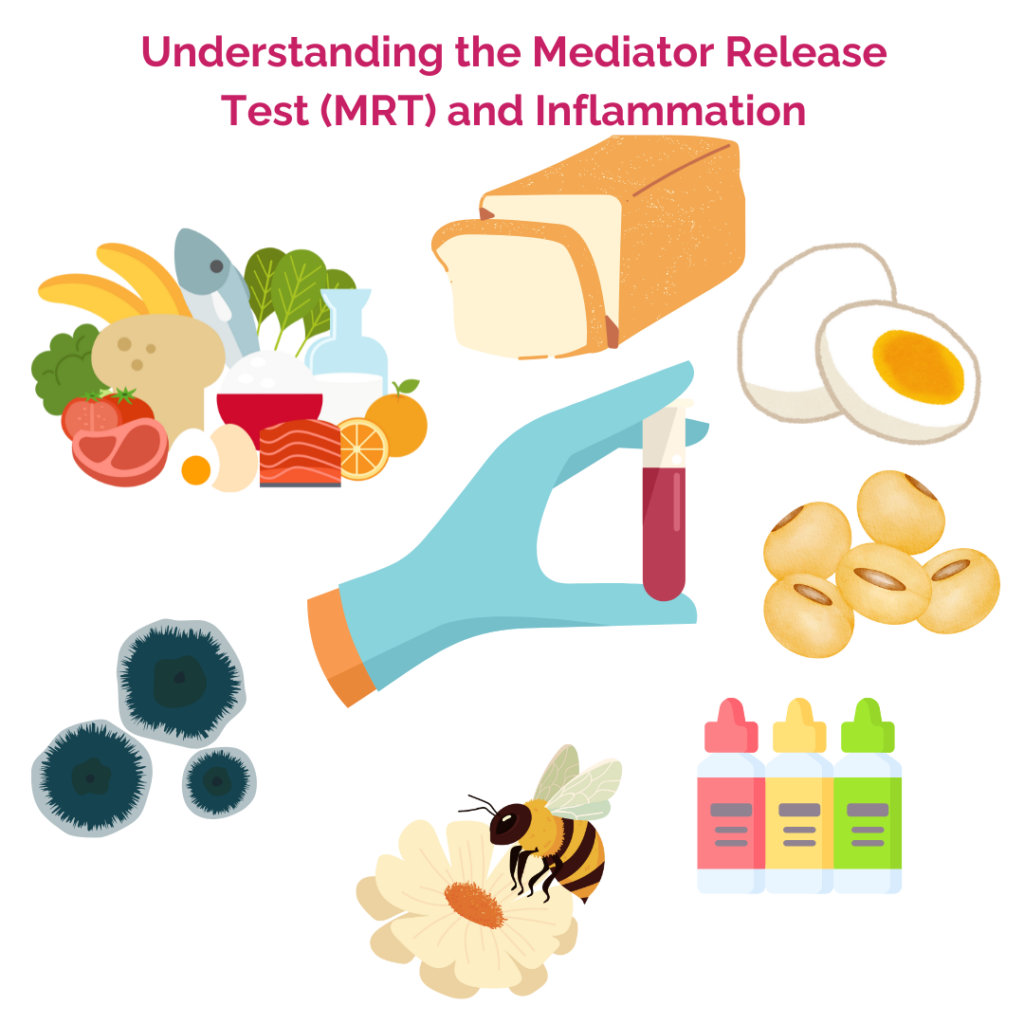
Inflammation is a natural response of the immune system to injury or infection, but chronic inflammation can be harmful, leading to diseases like heart disease, diabetes, and autoimmune disorders. Managing chronic inflammation is crucial for better health, and the Mediator Release Test (MRT) offers a targeted approach to identifying specific triggers in your body.
What is the Mediator Release Test?
The MRT is a blood test that measures how your immune system responds to various foods and chemicals. When your body reacts to a substance (like food, chemicals, or environmental elements), it releases certain mediators—like histamines and prostaglandins—that promote inflammation. By testing your blood, the MRT identifies which substances are causing these inflammatory responses.
Unlike traditional allergy testing, which only tests for a certain type of allergic reaction, the MRT looks at other immune responses, offering a broader view of what might be contributing to chronic inflammation in your body.
How Does MRT Help You Identify Inflammation Triggers?
The MRT evaluates over 170 different substances, including:
- Foods: Dairy, gluten, soy, nuts, eggs, and more
- Additives and preservatives: Artificial colors, flavor enhancers, etc.
- Environmental triggers: Pollens, molds, dust mites, and other allergens
It identifies not only the food or substance causing the reaction but also how strongly your body reacts to it. The test helps categorize these triggers into “reactive” and “non-reactive,” giving you a clear roadmap of what to avoid.
How Does the Mediator Release Test Work?
- Blood Sample Collection: A blood sample is taken and tested against various potential triggers.
- Identification of Reactive Substances: Based on the test results, you’ll see which foods or substances cause a higher-than-normal release of mediators that induce inflammation.
- Customized Action Plan: The results allow you and your healthcare provider to create a personalized plan to eliminate or reduce those inflammatory triggers from your lifestyle, which can significantly decrease chronic inflammation.
Why Is the MRT Useful in Managing Inflammation?
- Better Understanding of Individual Triggers: The MRT provides a highly detailed and individualized picture of your inflammation triggers, allowing you to focus on what specifically affects you, rather than using a broad, trial-and-error approach.
- Eliminate Unnecessary Stress on Your Body: By identifying your unique triggers, you can avoid unnecessary exposure to substances that are fueling your inflammation, giving your immune system time to recover and calm down.
- Helps with Chronic Conditions: Chronic inflammation is associated with conditions like autoimmune diseases, arthritis, and inflammatory bowel disease. By reducing exposure to specific triggers identified in the MRT, you may see significant improvements in symptoms and overall quality of life.
- Improves Diet and Lifestyle Choices: The MRT allows for more informed dietary choices. It’s not about following a generic “anti-inflammatory” diet; it’s about fine-tuning your nutrition and lifestyle based on your body’s specific reactions to foods and other triggers.
How to Implement MRT Findings into Your Life
Once you have your MRT results, the real work begins. Here’s how you can start using the information:
- Eliminate High-Reactivity Triggers: The first step is to eliminate foods and substances identified as high-reactive or causing inflammation. This may include removing certain foods from your diet for a period of time (usually 3–6 weeks) to observe changes in your inflammation levels.
- Gradual Reintroduction: After the elimination phase, some individuals can gradually reintroduce certain foods to see how their body reacts. This step helps in understanding which foods can be tolerated in moderation, without reigniting the inflammatory response.
- Support Healing with Anti-inflammatory Foods: While removing triggers, it’s also crucial to focus on adding anti-inflammatory foods to your diet. Omega-3-rich foods (like salmon, chia seeds, and walnuts), colorful fruits and vegetables, and turmeric can help support your body’s healing process.
- Monitor and Adjust: Keep track of your symptoms and work with your healthcare provider to refine your action plan based on your responses. This may include supplementing with anti-inflammatory nutrients or adjusting your diet further.
Is the MRT Right for You?
The Mediator Release Test can be a powerful tool for anyone experiencing chronic inflammation or dealing with an inflammatory condition, but it’s not the right solution for everyone. It’s essential to discuss the test with your doctor or a nutrition professional to determine if it’s appropriate for your specific needs.
Using MRT to Take Control of Inflammation
The Mediator Release Test is an effective way to understand the root causes of inflammation in your body. By identifying the specific substances that trigger an immune response, you can make more informed decisions about your diet, lifestyle, and health care choices. If you’re struggling with chronic inflammation and haven’t been able to find relief, MRT could offer the breakthrough you’ve been searching for.
Interested in the MRT? ElderHealth now offers this comprehensive test! Give us a call for details and pricing. (520) 829-9987